What Are The Best Alternatives for 7-OH?

Key Takeaways
- Traditional kratom leaf, full-spectrum extracts, refined extract powders, and mitragynine-focused tablets are distinct from concentrated 7-OH products.
- An alternative should be chosen by format, alkaloid profile, processing method, and laboratory documentation.
- Several All Natural Artisan products have batch results showing no detectable 7-hydroxymitragynine.
If you currently purchase 7-OH products, the most practical alternatives are usually traditional kratom leaf or kratom extracts centered on mitragynine and a broader supporting-alkaloid profile. These products come from the same Mitragyna speciosa plant, but they differ considerably in refinement, composition, and finished format.
The right choice depends on what you value about your current product. Some shoppers prioritize tablets, while others prefer loose extract powder or a less-refined leaf blend. Our 7-OH Alternatives page will provide another place to compare these options as product availability changes.
Start With the Product Profile, Not the Strongest Number
7-OH is short for 7-hydroxymitragynine, an alkaloid that occurs naturally in kratom at trace levels. Concentrated commercial 7-OH products are different from whole-leaf kratom and from extracts formulated primarily around mitragynine. The FDA also distinguishes naturally occurring trace amounts from products containing added or enhanced 7-OH.
Avoid comparing a 7-OH tablet directly with a mitragynine extract by looking at the largest printed number. Percentage by weight, milligrams per tablet, total alkaloid percentage, and extract ratios describe different measurements. A useful comparison begins with the complete label and the batch-specific Certificate of Analysis.
All Natural Artisan Products to Consider
The following products make great alternatives if you are looking to replace 7-OH.
Platinum Kratom Extract Powder
Platinum Kratom Extract Powder is a full-spectrum free-base extract with 10.8% mitragynine and 18.6% total alkaloids in the listed batch. Its COA also records paynantheine, speciogynine, speciociliatine, and corynantheidine, with 7-hydroxymitragynine reported as not detected. This makes Platinum worth its weight in gold when a broad profile matters more than refinement.

Ghost Salt Kratom Extract
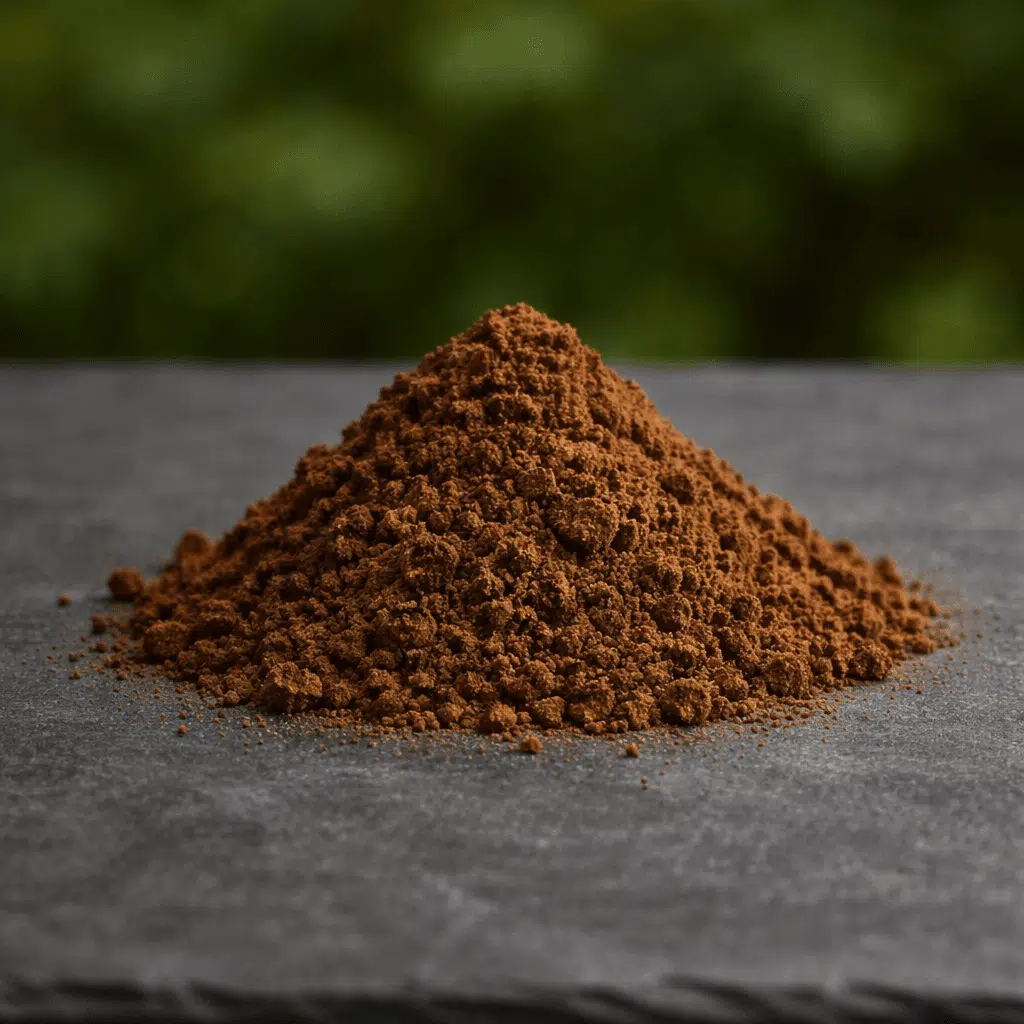
Shoppers love our classic Ghost Salt Kratom Extract At 78.2 MIT, it is highly refined and incredibly precise. This processing makes sure that you are getting exactly the product you want, without any excess other materials entering the mix.
Green Goddess Blend
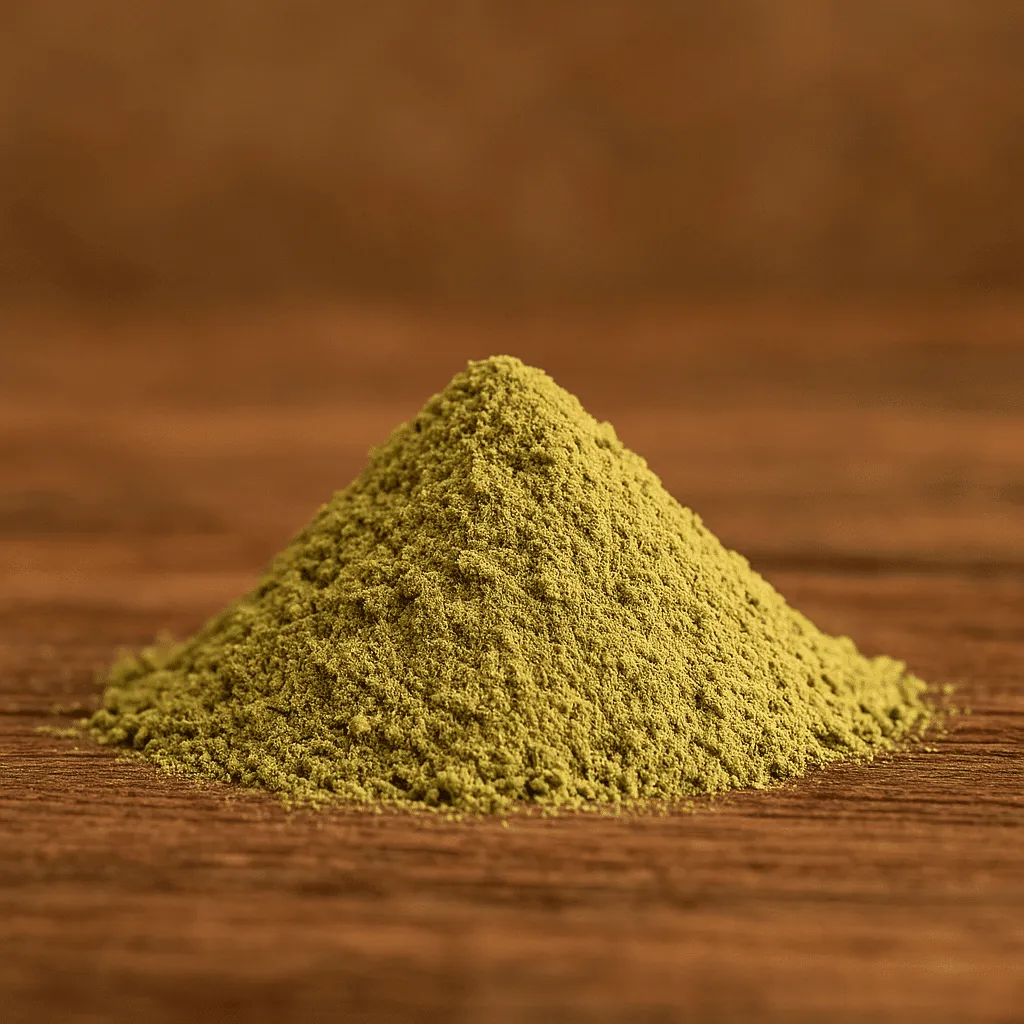
Green Goddess Blend offers a traditional, leaf-based path, instead of a highly refined alkaloid product. It combines several green-vein kratom materials to create a broader whole-leaf composition. The alkaloid information listed on the product page includes mitragynine and supporting constituents, with no detectable 7-hydroxymitragynine in the cited profile.
Artisan Amber Kratom Extract Powder
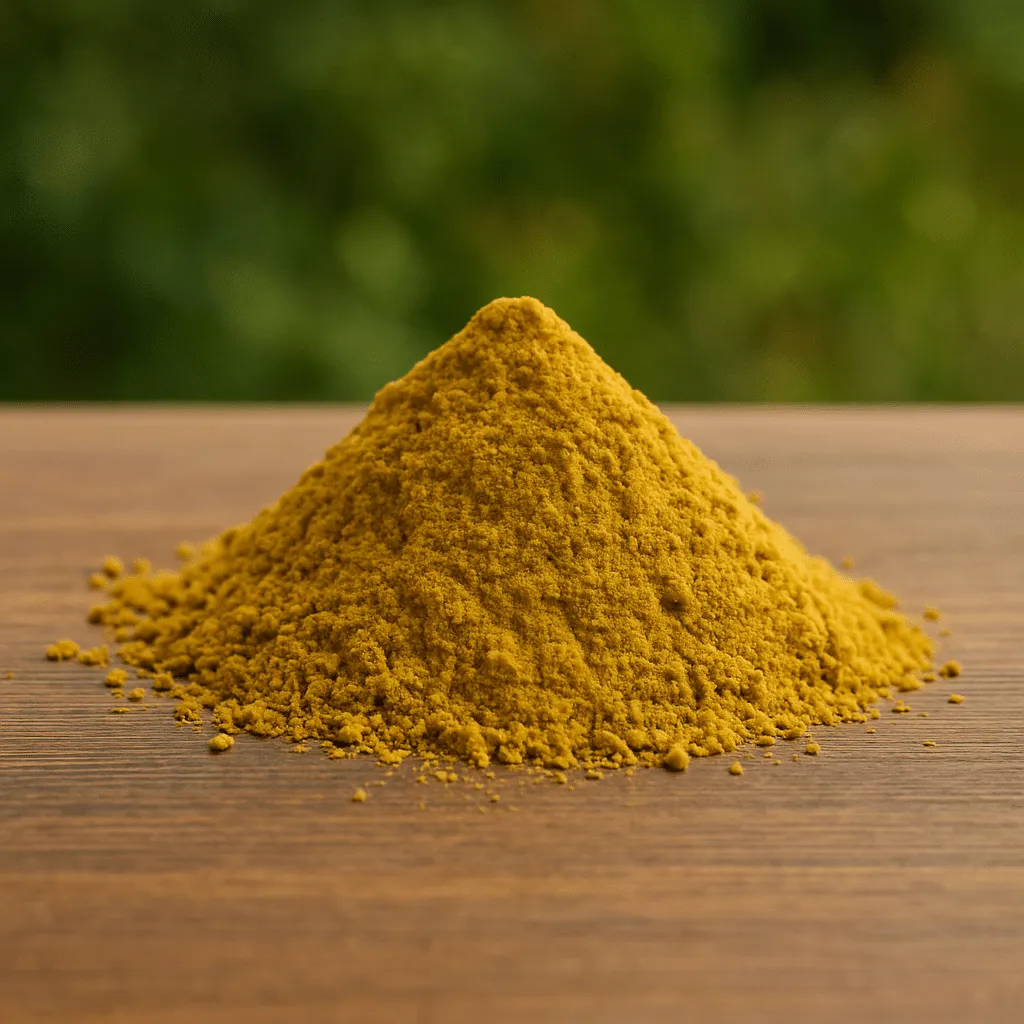
Artisan Amber Kratom Extract Powder lives between plain leaf and more concentrated extract powders. Its listed results show 3.53% mitragynine and 5.57% total alkaloids, with paynantheine, speciogynine, and speciociliatine also measured. The reported batch has no detectable 7-hydroxymitragynine.
How to Compare 7-OH Alternatives
Before selecting a product, decide whether you want whole leaf, loose extract powder, or a finished tablet. Then determine whether the material is full-spectrum, selectively refined, or built around a specific alkaloid.
- Check whether the COA belongs to the current or clearly identified batch.
- Review mitragynine, total alkaloids, and measurable supporting constituents separately.
- Look for an explicit 7-OH result rather than assuming an extract is 7-OH-free.
- Compare products that use the same type of measurement.
Our 7-OH Alternatives guide organizes products around these practical differences. You can also browse our complete kratom extracts collection to compare processing methods and finished formats.
Why Batch Testing Deserves Close Attention
“Not detected” means the laboratory did not detect a constituent above its reporting capability in the tested sample. It is not the same statement as proving absolute absence. Detection limits, testing methods, and the batch number all matter when comparing laboratory reports.
All Natural Artisan provides product-specific information so shoppers can evaluate more than a front-label claim. Concentration alone does not establish quality or suitability. Processing clarity, supporting alkaloids, residual-solvent screening when applicable, and batch consistency provide a more complete picture.
Explore the Available Options
Moving away from concentrated 7-OH begins with understanding how other kratom products are made and measured. Review the COA, distinguish whole leaf from extract, and select a format that provides clear composition information. Visit the 7-OH Alternatives page or explore All Natural Artisan’s kratom products to compare the current selection.
Frequently Asked Questions
Do Regulations on 7-OH Ban All Kratom Products?
No. The DEA’s July 2026 notice focuses on 7-hydroxymitragynine above a specified threshold. The action does not apply to botanical kratom containing naturally occurring 7-OH below that threshold. State and local requirements can differ, so customers should confirm current purchasing and shipping eligibility for their location.
Is 7-OH the Same as Kratom?
No. Kratom refers to Mitragyna speciosa leaf and the many compounds naturally present within it. 7-OH is one specific alkaloid. A concentrated or enhanced 7-OH product absolutely is not identical to traditional leaf, full-spectrum extract, or a mitragynine-focused formulation.
Can a Kratom Product Have No Detectable 7-OH?
Yes. A laboratory may report 7-hydroxymitragynine as not detected in a tested batch. Review the actual COA, the laboratory’s reporting language, and the matching batch identifier. Do not assume that one result applies to every future batch or every product in the same category.
What Should I Look for in a 7-OH Alternative?
Yes. A laboratory may report 7-hydroxymitragynine as not detected in a tested batch. Review the actual COA, the laboratory’s reporting language, and the matching batch identifier. Do not assume that one result applies to every future batch or every product in the same category.